
Зарядни адаптери | Техническа база знания | PhoneHouse Sofia
Зарядни адаптери — техническа база знания
(GaN, USB-C Power Delivery, PPS, мощност, безопасност и съвместимост с устройства)
Какво всъщност представлява „зарядният адаптер“
Зарядният адаптер преобразува променливото мрежово напрежение в регулиран постоянен ток и договаря напрежението/тока с устройството ви. Съвременното бързо зареждане не е „просто повече ватове“ — то представлява контролиран обмен по протокол (USB-C PD / PPS или патентовани режими), съчетан със защити (от пренапрежение, свръхток и прегряване).
Защо различните телефони „имат нужда от различни зарядни устройства“
- iPhone: Бързото зареждане се основава основно на USB-C Power Delivery (PD). В указанията на Apple обичайно се посочва използването на 20W or higher USB-C захранващ адаптер за бързо зареждане. (Поддръжка на Apple)
- Samsung (many models): „Super Fast Charging“ обикновено разчита на USB-C PD with PPS (програмируемо напрежение). Без PPS телефонът може да се зарежда, но не с най-високата скорост. (Samsung)
- Xiaomi / other Android: Често поддържат USB-C PD, а понякога и патентовани системи за по-висока скорост. Най-доброто универсално правило е да изберете мощен PD/PPS адаптер — телефонът ще използва това, което поддържа.
Ключови технологии и термини (които трябва да познавате)
| Термин | Значение | Защо е важно |
|---|---|---|
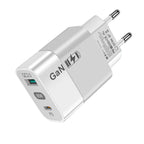
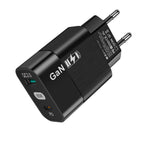
| GaN (галиев нитрид) | По-нова технология за силови транзистори в сравнение с традиционния силиций. | Обикновено позволява по-малки, по-хладни и по-ефективни адаптери при същата мощност. |
| USB-C PD (Power Delivery) | Универсален стандарт за бързо зареждане през USB-C. | Най-добра съвместимост между различни марки телефони/таблети/лаптопи. |
| PPS (Programmируемо захранване) | Функция на PD, при която напрежението се регулира динамично (на малки стъпки). | Критично за много режими „Super Fast Charging“ на Samsung и за по-добри температурни характеристики и ефективност. |
| PD 3.1 / EPR | По-висок диапазон на мощност при PD за лаптопи/монитори (до класове с много висока мощност). | Позволява „едно зарядно за всичко“ (телефон + таблет + лаптоп), когато се използва с подходящ кабел. |
| PD ports vs multi-port sharing | Адаптерите с няколко порта разпределят общата мощност между портовете. | Адаптер „65 W“ може да падне до 45 W/20 W, когато са включени 2 устройства. |
| Активни защити | OVP/OCP/OTP/SCP (защита от напрежение/ток/температура/късо съединение). | При евтините адаптери именно това често липсва — рискът е нестабилност, нагряване и повреда на устройството. |
Правила за мощността (прости, точни и универсални)
- 20W–30W: силен универсален клас „само за телефон“ (добър за бързо зареждане на iPhone; много Android устройства също ще се възползват).
- 45W: отличен за „телефон + таблет“ и за много модели на Samsung (при които PPS има значение).
- 65W–100W: „един адаптер за телефон + таблет + лаптоп“ (PD). Телефонът ще изтегли само необходимата му мощност.
Логика за съвместимост (какво да купите)
| Сценарий на употреба | Минимална препоръка | Най-добър подход |
|---|---|---|
| Бързо зареждане на iPhone | USB-C PD adapter (20W+) | Качествен PD адаптер + качествен USB-C кабел; избягвайте безименни „20 W“ зарядни. |
| Samsung Super Fast Charging | USB-C PD with PPS (25W/45W class) | При много модели PPS е разликата между „бърза“ и „възможно най-добра“ скорост и температурни характеристики. |
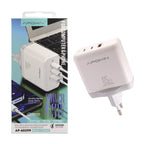
| Универсално за няколко марки | PD 45W+ (prefer PPS) | GaN многопортов PD/PPS адаптер за телефон + таблет + аксесоари. |
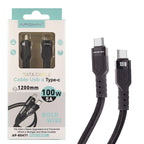
| Телефон + лаптоп (лаптоп с USB-C зареждане) | PD 65W+ | Съобразете се с изискванията на лаптопа; използвайте кабел с подходящ номинал за мощността. |
„Оригинален срещу OEM срещу ултраевтин“ (без объркване)
- Original (brand): адаптер от производителя или официален партньор — обикновено с предвидимо поведение и защити.
- OEM / quality third-party: може да бъде отличен, ако действително поддържа PD/PPS и необходимите защити; тук се крие добрата стойност.
- Ultra-cheap / no-name: често посочва невярна мощност, нагрява се, поддържа нестабилно напрежение и има слаби защити. Именно тук възникват повредите.
Контролен списък за безопасност (какво проверяваме)
- Стабилно договаряне на PD/PPS (без случайни прекъсвания и повторни свързвания)
- Ниско нагряване при натоварване (температурни характеристики)
- Основни защити: OVP/OCP/OTP/SCP
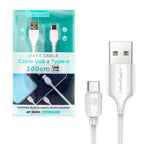
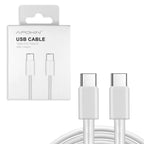
- Правилно съчетаване с кабела (много „проблеми със зареждането“ са свързани с номинала на кабела, а не с адаптера)
Защо адаптерите с по-висока мощност все пак са безопасни за телефони
PD адаптерът с по-висока мощност не „натрапва“ мощност на телефона. Устройството договаря това, което може да приеме. Затова добър 65 W/100 W PD адаптер може безопасно да зарежда телефон и същевременно да обслужва таблети и лаптопи.
Работен процес на PhoneHouse
- Правилен избор според устройството и употребата (само телефон или няколко устройства)
- Предпочитание към PD/PPS там, където е важно (особено при моделите на Samsung)
- Фокус върху стабилността и безопасността, а не върху „фалшивите ватове“
Обобщение: Най-добрата универсална стратегия е качествен USB-C PD adapter (за предпочитане PPS), съобразен с реалния ви сценарий на употреба. GaN помага за по-компактен размер и по-ниско нагряване. Мощността трябва да съответства на екосистемата ви (телефон/таблет/лаптоп), а кабелът също има значение.