

Зарядни кабели | Техническа база знания | PhoneHouse Sofia
Зарядни кабели — техническа база знания
(USB-C, Lightning, архитектура на пиновете, договаряне на мощността, скорост на данните и безопасност)
Защо зарядният кабел не е „просто кабел“
Съвременният заряден кабел е активен компонент в пътя на захранването и данните. Той участва в договарянето на мощността, ограничаването на тока, термичната безопасност и целостта на данните. Използването на неподходящ кабел може да намали скоростта на зареждане, да причини нестабилност или да повреди компоненти.
Видове конектори и архитектури
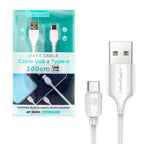
USB-A to USB-C
- По-стар формат; ограничени възможности за бързо зареждане
- Обикновено ограничен до профили с по-ниска мощност
- Често ограничение при съвременното бързо зареждане
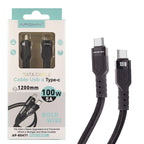
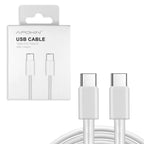
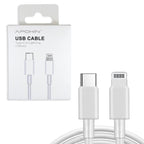
USB-C to USB-C (modern standard)
- Необходим за пълна поддръжка на USB-C Power Delivery (PD) и PPS
- Поддържа по-висок ток и динамично договаряне на напрежението
- Позволява зареждане на телефон, таблет и лаптоп с един и същ кабел
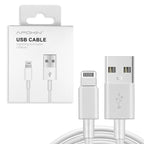
Lightning (Apple)
- Патентован конектор на Apple
- Вътрешно симетрични пинове с удостоверяване
- Изисква сертифицирана електроника в кабела за стабилно бързо зареждане и пренос на данни
Конструкция на пиновете — защо кабелите се различават отвътре
Не всички конектори имат еднакво вътрешно окабеляване.
| Тип кабел | Вътрешни пинове и чипове | Защо е важно |
|---|---|---|
| USB-C ↔ USB-C (basic) | Стандартни пинове за захранване и данни | Ограничен до по-нисък ток, ако няма e-marker чип |
| USB-C ↔ USB-C (high power) | E-marker chip в конектора | Сигнализира безопасна поддръжка на по-висок ток (PD) |
| Lightning (certified) | IC за удостоверяване + контролирано разпределение на пиновете | Гарантира стабилно зареждане, синхронизация на данни и защита на устройството |
Доставка на мощност и скорост на зареждане
Скоростта на зареждане зависи от адаптера + кабела + устройството. Кабелът показва на адаптера и телефона какъв ток може безопасно да пренася.
- Нискокачествените кабели могат да принудят бавно зареждане
- Проводниците с високо съпротивление увеличават нагряването и спада на напрежението
- Липсващите e-marker чипове ограничават нивата на мощност при PD
Преносът на данни и зареждането — не са едно и също
Много зарядни кабели поддържат само базови скорости за данни. Кабелите за високоскоростен пренос на данни изискват подходящо екраниране и окабеляване.
| Сценарий на употреба | Изисквания към кабела |
|---|---|
| Само зареждане | Проводници с подходящ номинал за мощност, базови линии за данни |
| Синхронизация/резервни копия на телефон | Пълно окабеляване за данни, екраниране |
| Данни за таблет/лаптоп | Високоскоростен USB-C кабел със сертифицирани линии за данни |
Поведение на кабелите при Apple спрямо Samsung/Android
Apple (Lightning & USB-C models)
- Строго удостоверяване на кабела
- Несертифицираните кабели може да зареждат непостоянно
- При некачествени кабели често възникват грешки при синхронизацията на данни
Samsung / Android (USB-C)
- Разчита на договаряне чрез USB-C PD и PPS
- Изисква правилно сигнализиране на тока за „Super Fast Charging“
- Евтините кабели често блокират функционалността на PPS
Термично поведение и безопасност
Кабелът също е термичен компонент. Некачествените проводници генерират топлина при конектора и по дължината на кабела.
- Прегряващи конектори
- Окисляване на конектора и повреда на пиновете
- Прекъсващо зареждане и прекъсвания на връзката
Защо „евтините кабели“ се повреждат при реална употреба
- Тънки медни проводници
- Липса на вътрешно екраниране
- Липса на e-marker или удостоверяващи чипове
- Слаба механична защита срещу прегъване при краищата на конектора
Логика за избор на PhoneHouse
- Кабели, съобразени с класа на мощност на адаптера
- Проверена съвместимост с iPhone, Samsung и Xiaomi
- Фокус върху стабилността, температурните характеристики и експлоатационния живот
Обобщение: Зарядният кабел е активен електрически компонент, а не аксесоар. Типът на конектора, вътрешните пинове, чиповете и качеството на проводниците пряко влияят върху скоростта на зареждане, надеждността на данните и безопасността на устройството.