
MagSafe спрямо кабелно зареждане | Техническо ръководство | PhoneHouse Sofia
MagSafe спрямо кабелно зареждане — техническо ръководство
Цел: избор на правилния метод за зареждане според скоростта, нагряването, ефективността, здравето на батерията и ежедневната употреба. Безжичното зареждане обикновено е по-неефективно от кабелното и генерира повече топлина, докато кабелното обикновено е по-бързо и по-хладно. (Топлината и ефективността са важни за дългия живот на батерията.)
Бързо обобщение (правила за избор)
- Изберете кабел when you need максимална скорост, по-ниско нагряване, and най-добра ефективност.
- Изберете MagSafe/безжично when you want ежедневно удобство, easy docking, and reduced “plug/unplug” wear.
- Най-добър подход за 1% от потребителите: хибриден режим — кабел за бързо дозареждане, MagSafe за поставяне на бюрото или леко зареждане.
MagSafe (безжично) спрямо кабел (кабелно): техническо сравнение
| Показател | MagSafe / безжично | Кабел / кабелно | Какво означава на практика |
|---|---|---|---|
| Скорост на зареждане | Обикновено по-бавно от кабелното (зависи от телефона, зарядното и термичните ограничения) | Обикновено най-бързият вариант (устройството може да приеме по-висока стабилна мощност) | Трябва ви бързо „50% по време на почивка“? Кабелното печели. |
| Топлина | Обикновено повече топлина заради индуктивните загуби и подравняването на бобините | Обикновено по-хладно при същото подадено количество заряд | По-ниската температура е по-добра за дългия живот на батерията. |
| Енергийна ефективност | По-неефективно от кабелното; повече енергия се превръща в топлина | По-ефективно; по-малки загуби | Удобството на безжичното зареждане струва допълнителна енергия и по-висока температура. |
| Влияние върху здравето на батерията | Повече топлина може да ускори стареенето, ако това е единственият метод | По-хладното зареждане обикновено подпомага по-доброто дългосрочно здраве | Не „безжичното убива батериите“, а управлението на топлината има значение. |
| Износване на конектора | Минимално износване на порта (без многократно включване и изключване) | Възможно износване на кабела/порта с времето | Ако зареждате 3–6 пъти дневно, безжичното намалява механичното износване. |
| Употреба по време на зареждане | Чудесно за поставяне на бюрото; стабилно позициониране | Чудесно за активна употреба, но кабелът може да пречи | Избирайте според ежедневните си навици (бюро или движение). |
| Чувствителност към подравняването | Има значение: неправилното подравняване = по-бавно и по-топло | Не е приложимо | Магнитното подравняване е ключово предимство на MagSafe. |
Защо Топлина Matters (Battery Health Logic)
- Стареенето на батерията се влияе силно от температурата. Повече топлина с времето = по-бърза химическа деградация.
- Безжичното зареждане е удобно, но може да работи при по-висока температура, защото прехвърля енергия чрез електромагнитна индукция (загуби = топлина).
- Правило: ако искате дълъг живот, избягвайте „горещо зареждане“ (безжично върху дебел калъф, в топла стая, под възглавница, на таблото на автомобил и т.н.).
Препоръчителни конфигурации за зареждане в реални условия
| Сценарий | Най-добър метод | Защо | С какво да се комбинира |
|---|---|---|---|
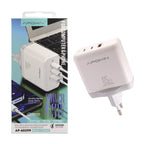
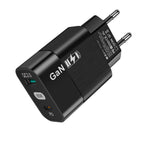
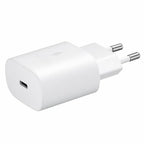
| Бързо дозареждане преди излизане | Cable | Highest speed, по-ниско нагряване | Charging Adapters + Charging Cables |
| Поставяне на бюрото (през работния ден) | MagSafe / безжично | Удобство + предвидимо позициониране | Използвайте качествен адаптер + сертифицирано MagSafe/Qi зарядно |
| Зареждане през нощта | Зависи | Ако устройството се нагрява безжично, преминете към кабел или намалете източниците на топлина | Поддържайте телефона хладен; избягвайте дебели калъфи върху безжични поставки |
| Зареждане в автомобил / гореща среда | Кабел (обикновено по-безопасен) | Топлина stacking (sun + wireless) is a common problem | Използвайте стабилна стойка и избягвайте термично претоварване |
Често срещани митове (кратки отговори)
-
Мит: “Безжичното винаги е вредно за батерията.”
Реалност: Топлина is the real variable. A cool wireless setup can be fine; a hot setup is not. -
Мит: “Всеки адаптер работи по един и същ начин.”
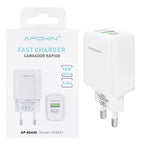
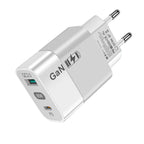
Реалност: Качеството на адаптера и протоколите за зареждане влияят върху стабилността и топлината. Вижте Charging Adapters. -
Мит: “Всеки кабел е еднакъв.”
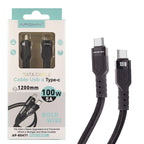
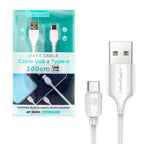
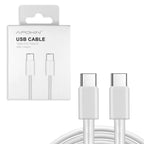
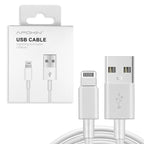
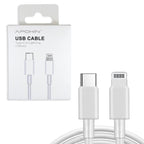
Реалност: Конструкцията на кабела и поддръжката на e-marker влияят върху работата и безопасността. Вижте Charging Cables.
Подходът на PhoneHouse
Разглеждаме зареждането като система: адаптер + кабел + телефон + среда на употреба. Ако приоритетът ви е дълготрайност и надеждност, оптимизирате топлината, стабилността и правилното съчетаване на компонентите — не маркетинговите твърдения.
Свързана база знания
- Зарядни адаптери — ръководство за технологии и безопасност
- Зарядни кабели — разлики при данни/мощност/конектори
MagSafe и зарядни аксесоари по iPhone модел
MagSafe и кабелното зареждане зависят от модела, калъфа и използваното зарядно. Следните iPhone колекции са подходящи за избор на MagSafe съвместими калъфи, зарядни и кабели според конкретното устройство.
| Поколение | Колекции |
|---|---|
| iPhone 12 и 13 | Аксесоари за iPhone 12, Аксесоари за iPhone 12 Pro, Аксесоари за iPhone 13, Аксесоари за iPhone 13 Pro |
| iPhone 14 и 15 | Аксесоари за iPhone 14, Аксесоари за iPhone 14 Pro, Аксесоари за iPhone 15, Аксесоари за iPhone 15 Pro, Аксесоари за iPhone 15 Pro Max |
| iPhone 16 | Аксесоари за iPhone 16, Аксесоари за iPhone 16 Pro, Аксесоари за iPhone 16 Pro Max |
За MagSafe калъф проверете дали продуктът има магнитен пръстен и дали не пречи на безжичното зареждане.